In 1545, the palace was sold to Cardinal Ippolito d’Este, who transformed it into a vibrant center of social and cultural life. The Palazzo welcomed poets and intellectuals, including Torquato Tasso, and became a symbol of refined Roman living.
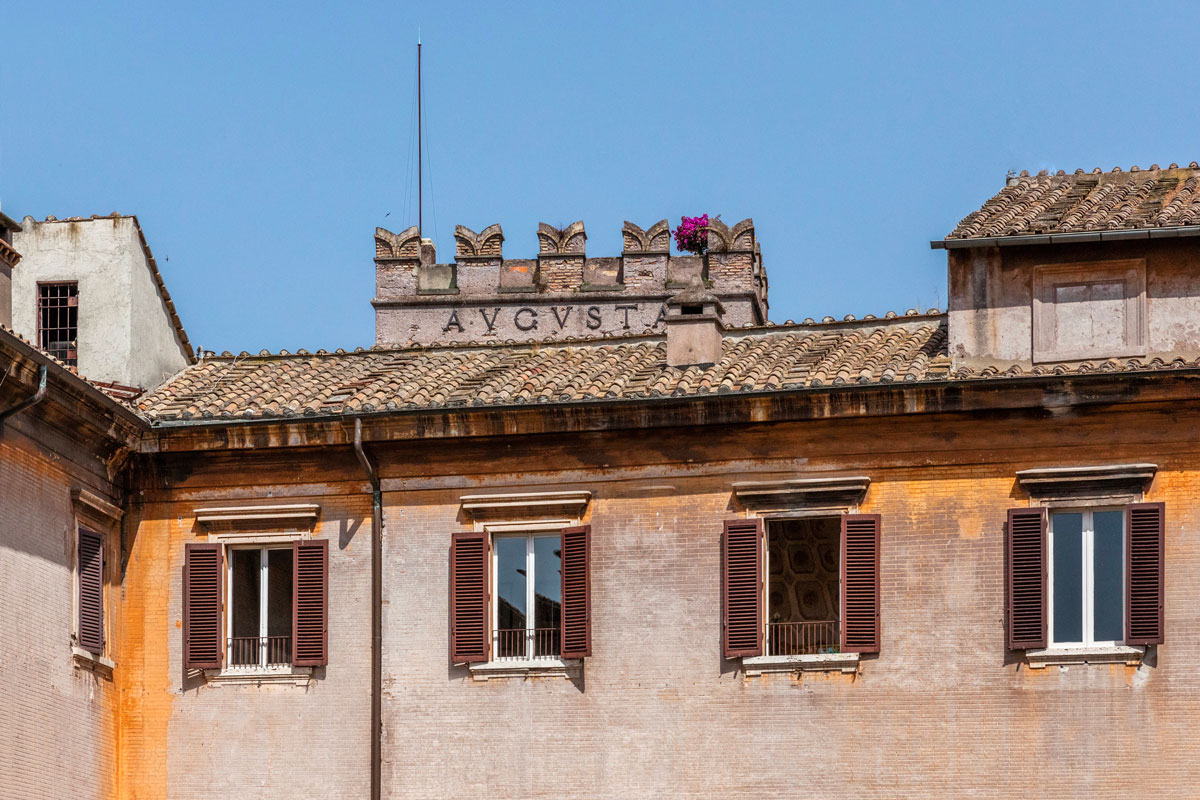
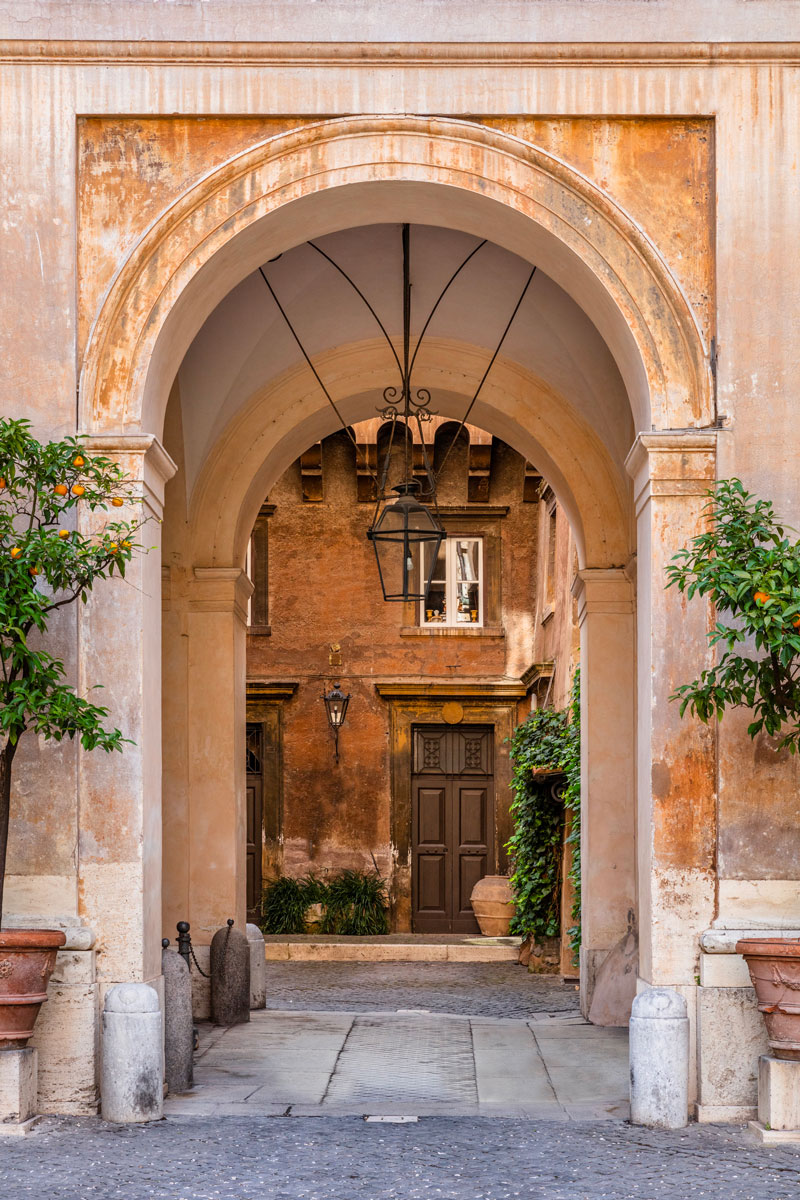
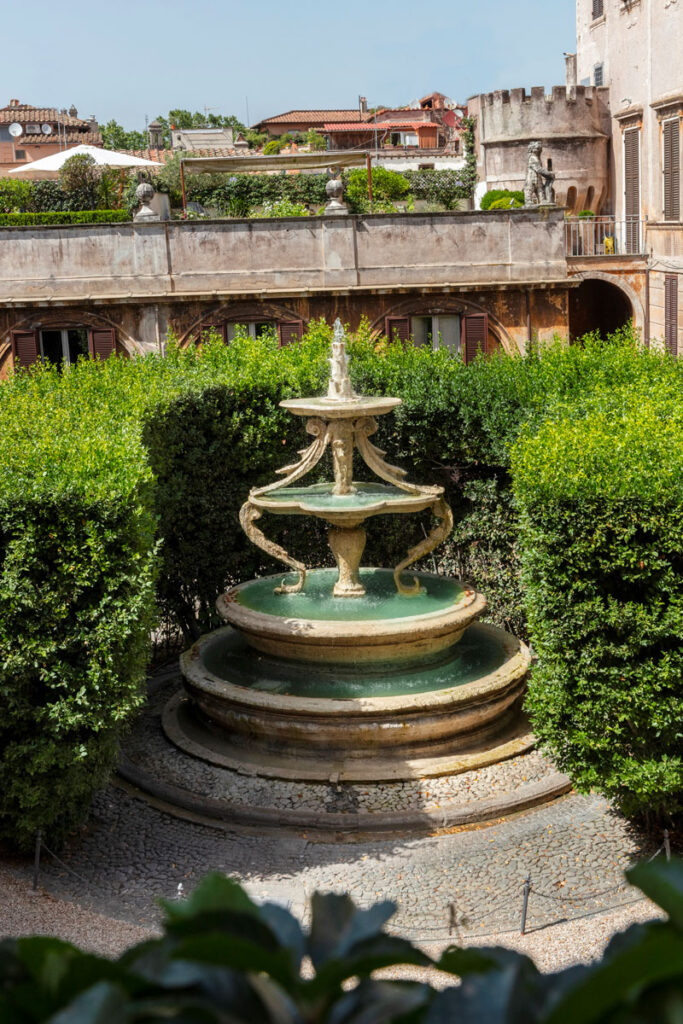
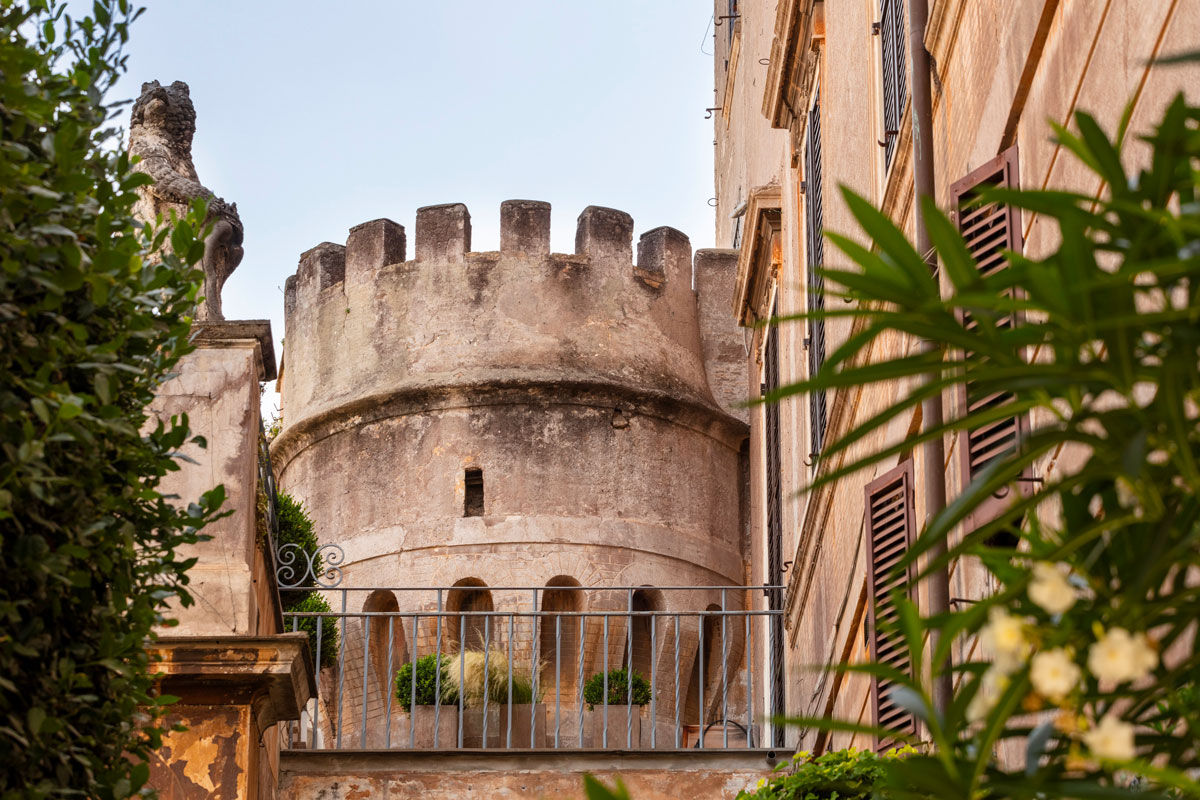
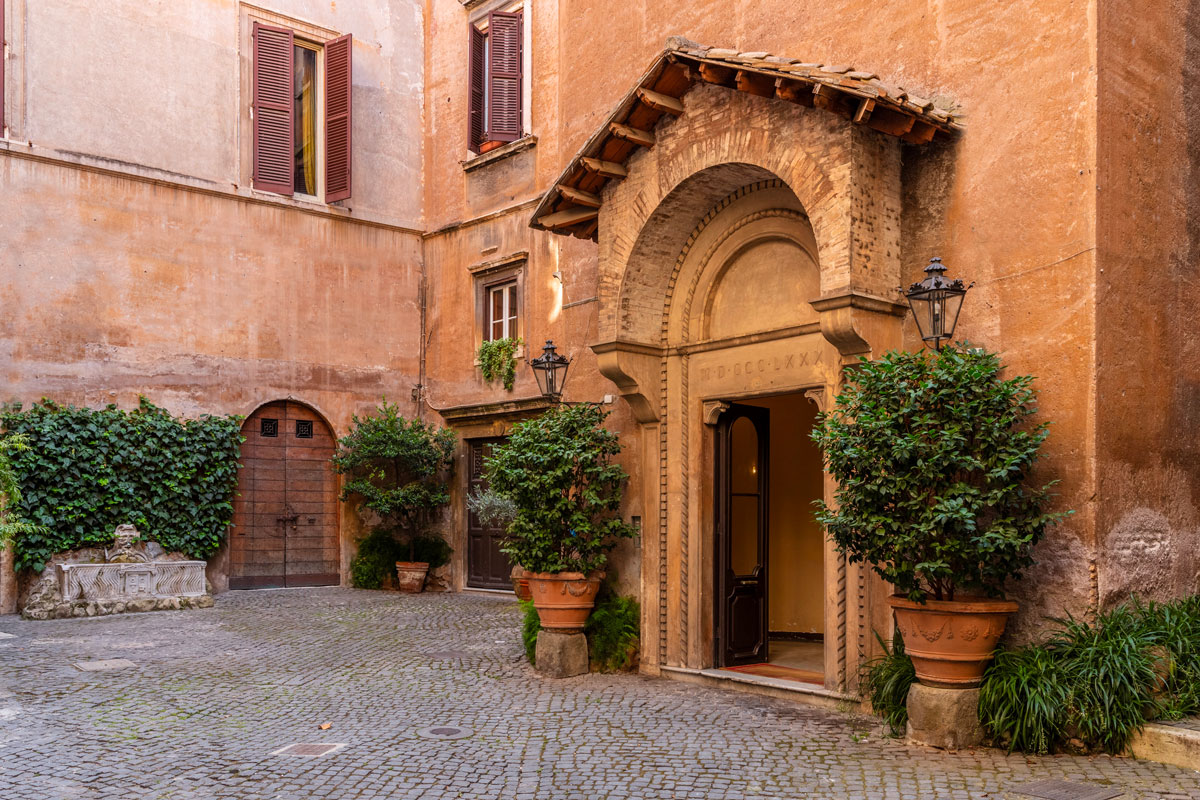
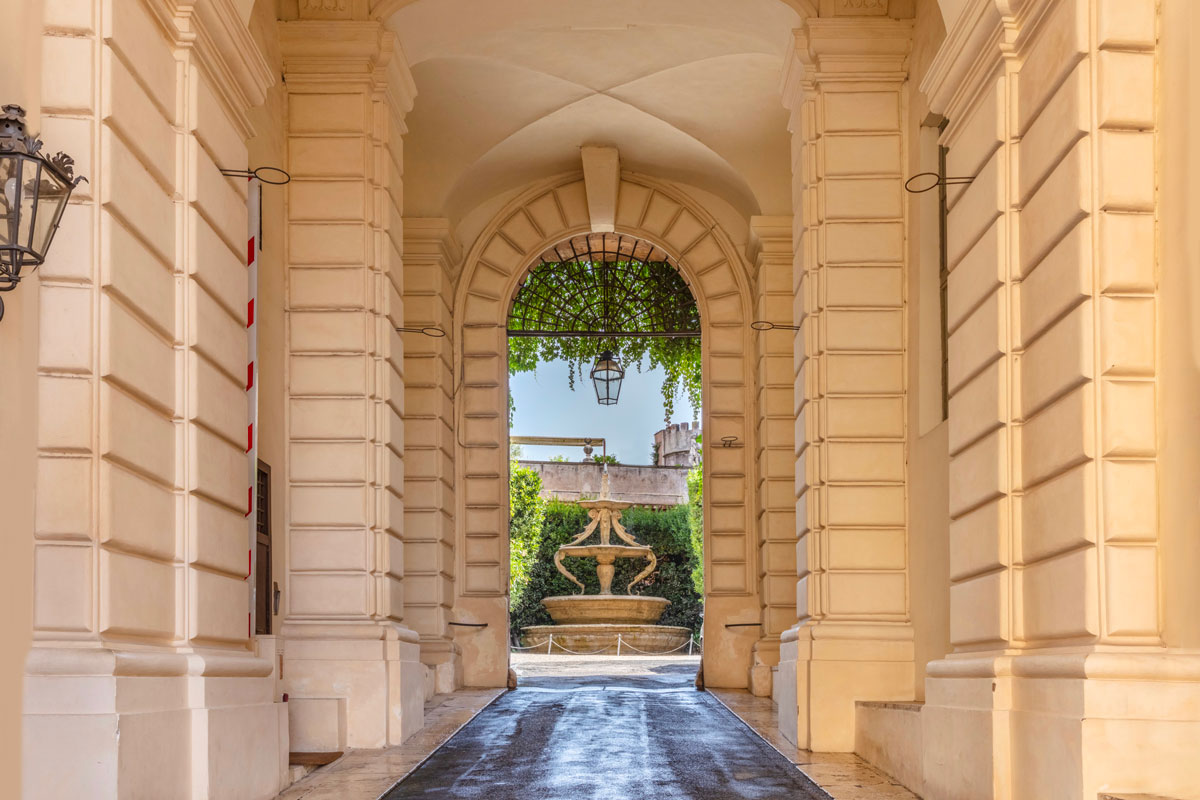
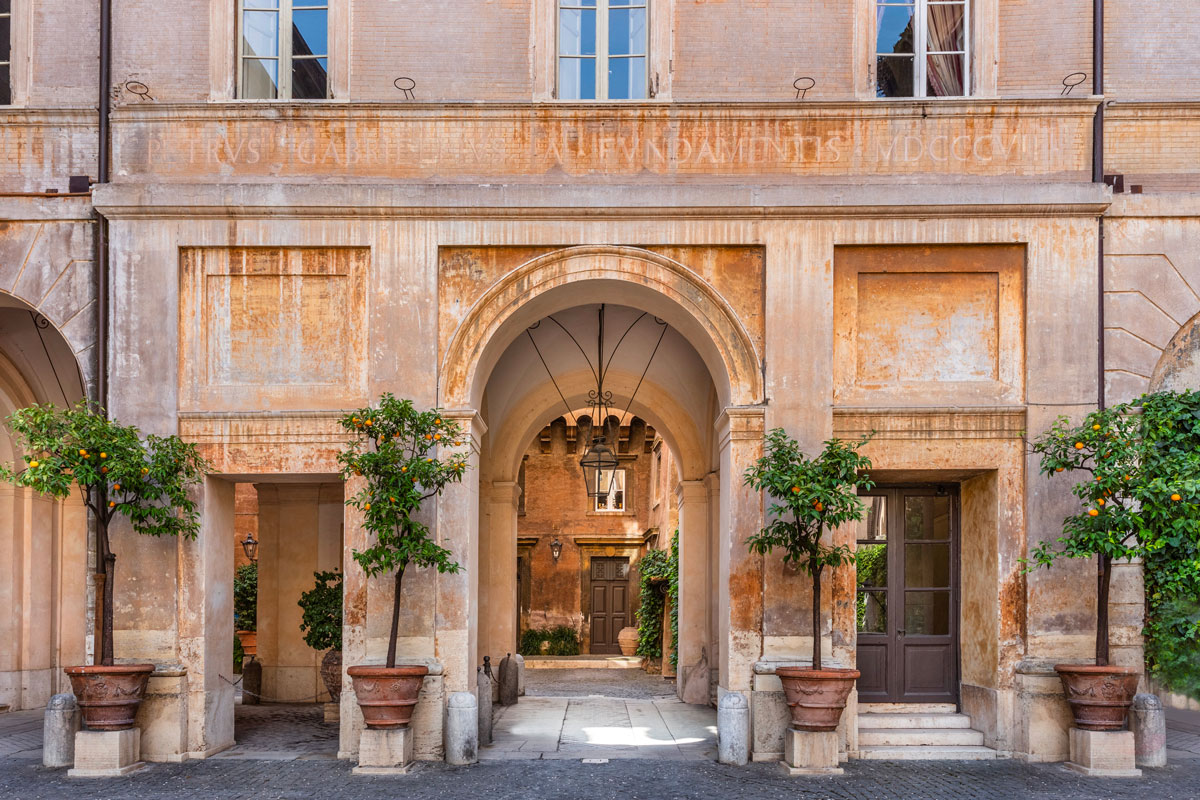
In the 17th century, the Gabrielli family acquired the property and gave it its current architectural form. The grand entrance features a 16th-century escarpment wall, likely by Baldassarre Peruzzi, leading to a stunning courtyard with a 17th-century fountain by Antonio Casoni. Inside, the “piano nobile” houses a valuable art collection, with works by Sebastiano Ricci, Rosa da Tivoli, and others.
The last change of property was around 1888 in favor of the Taverna family, a Milanese aristocratic and rich family. Rinaldo Taverna, the son of Ludovico, who was nominated governor of Rome signed up as an official and in 1870 entered in Rome from Porta Pia, giving his contribute to the unification of Italy. Rinaldo had married a roman princess Lavinia Boncompagni Ludovisi and together they decided Palazzo Taverna as their residential house.
Nowdays the Palazzo is still the residential house of the family.